
The Part of Weight Loss We Don't Talk About Enough
Sep 06, 2026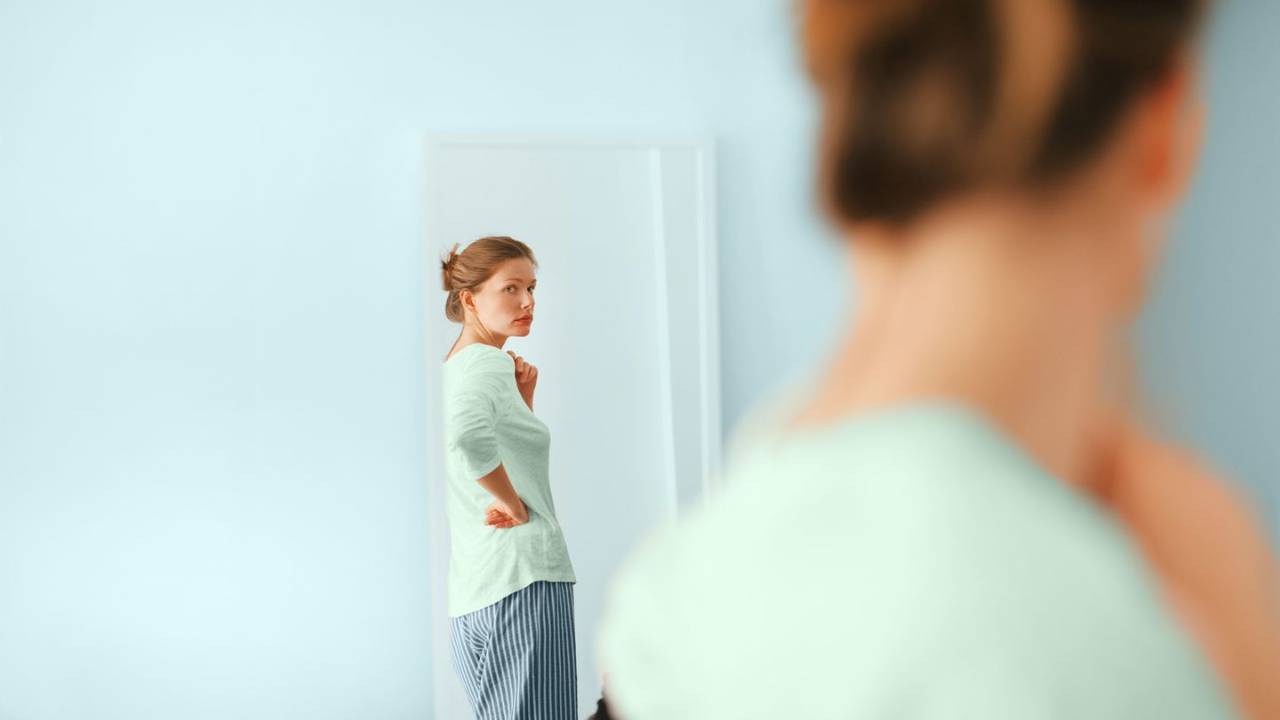
There is no shortage of conversation about losing weight.
We talk about food plans, exercise, fasting, supplements, surgery, medications, GLP-1s, calories, protein, blood sugar, and what someone should or shouldn't eat. We compare methods, debate which approach works best, and celebrate the physical transformation when the weight begins to come off.
But there is another part of the story that I don't think we talk about nearly enough:
What happens when your body changes, but the way you experience yourself hasn't caught up yet?
That's where the mental and emotional work becomes so important.
This isn't a conversation about whether GLP-1s are good or bad. It isn't about telling you which diet to choose or whether you should use medication at all. Those are decisions you get to make with the appropriate people supporting your health. What I want to talk about is the part no medication, diet, or procedure can do for you.
The work of becoming healthy on the inside, too.
This week on the Be a Blaze Podcast, we're looking beyond the physical side of weight loss and talking about identity, fear, old patterns, relationships, and what it can mean to create a healthier life that actually feels like yours.
🎧 Listen to podcast Episode 60: The GLP-1 Conversation No One Is Talking About
Losing Weight and Becoming Healthy Aren't Always the Same Thing
Most of us know how to focus on a number. We know how to watch a scale move, track inches, follow a meal plan, count something, eliminate something, or tell ourselves that once we reach a certain weight, we'll finally feel different.
I know that cycle well.
There was a point in my own life when I was standing in front of the mirror at my highest weight and absolutely tearing myself apart. And in that moment, I had this realization: I had disliked my body when I was much smaller, too.
That changed the question for me.
If I could reach a completely different weight and still experience myself through the same critical lens, maybe the real issue wasn't only the size of my body.
That doesn't make physical health unimportant. It means physical change may not automatically heal the thoughts, fears, habits, or identity that traveled with us into that body.
Your Old Patterns May Still Be Waiting
A medication may change hunger. A structured eating plan may change what is on your plate. A procedure may change your body dramatically. But none of those things automatically rewrite the meaning you've attached to food.
Food may have become comfort. Reward. Connection. Escape. Celebration. Numbing. Safety. Something you reach for when you're exhausted, lonely, angry, overwhelmed, or simply because the ritual is so familiar that you barely notice it anymore. That is where curiosity becomes much more useful than shame.
Instead of attacking yourself for having a pattern, you can begin noticing it. What was happening before you reached for the food? What were you needing in that moment? What were you feeling? What were you trying not to feel?
You're gathering information about yourself. And information gives you something to work with.
The Person in the Mirror May Change Before Your Identity Does
There is another piece of weight loss that can be surprisingly complicated. Your body can change faster than your internal picture of yourself.
Maybe you've lived in a larger body for most of your life and suddenly people respond to you differently. Maybe attention feels uncomfortable. Maybe being noticed brings up fear you hadn't expected. Maybe your size was connected, consciously or unconsciously, to feeling protected or invisible.
Or perhaps you remember yourself as the smaller version you used to be, but after years of struggling with weight, you don't quite know how to trust this new version of your body.
Those experiences aren't solved by hitting a goal weight. They invite us to explore identity.
Who am I becoming? How do I want to care for myself now? How do I respond when someone notices me? What boundaries help me feel safe? What does health look like when it isn't about punishing my body into becoming acceptable?
Those are very different questions from, How quickly can I lose another ten pounds?
Fear of Regaining Can Become Its Own Pattern
After losing weight, one of the loudest thoughts can be: What if I gain it back?
That fear makes sense, particularly for someone who has lived through years of losing and regaining. But constantly organizing your life around fear can quietly keep you tied to the very cycle you're trying to leave.
I would rather become curious when something changes.
Maybe your weight begins creeping up again. Instead of immediately panicking, restricting, or deciding you've failed, you can ask what else has shifted.
Have you been under more stress? Are you sleeping? Have your routines changed? Are you emotionally exhausted? Have you returned to a familiar way of comforting yourself?
I experienced this myself recently during an incredibly busy season. I was pouring myself into TDAH, creating lessons, building programs, growing the business, and doing work that I genuinely love. And I also stopped taking care of myself as well as I knew how. When I noticed what was happening, I didn't need another round of self-hatred. I needed to pay attention.
That is the difference between using a change in your body as a verdict and using it as information.
Getting Healthier May Change More Than Your Body
Sometimes there is another fear hiding underneath change: What happens to my life if I actually become healthy?
Because your choices may begin changing.
Maybe you don't want to drink as much anymore. Maybe certain foods don't make your body feel good. Maybe the way you socialize begins shifting. Maybe you stop automatically agreeing with everyone around you just to make things easier.
And sometimes the people in your life will celebrate that. Sometimes they won't.
When we begin setting healthier boundaries, relationships can reveal things we couldn't see when we were participating in the old pattern. You may discover which relationships have room for you to grow and which ones depend on you staying exactly the same.
That doesn't mean you have to abandon everyone who lives differently than you. It simply means you get to notice whether you are making choices because they support your health or because you're afraid of disappointing somebody else.
What Does “Normal” Mean to You?
My husband and I were talking recently about how sometimes we just want to “eat normal.” But then we started laughing a little about what we meant by normal.
Pizza. Drinks. Fast food. Rich meals. The foods we associated with relaxing, celebrating, or simply not having to think about health for a while.
And it made me curious.
When did caring for our bodies become the abnormal thing?
I don't believe you need to eat exactly the way I eat. I don't believe there is one perfect plan that works for everybody. Your body gives you information, and you get to learn what supports it. But I do think it's worth examining the stories we have attached to food.
Healthy doesn't have to mean punishment. Nourishment doesn't have to mean boring. And making a choice that supports your body doesn't mean you're missing out on life. Sometimes it means you're finally becoming present enough to choose what you actually want.
No Physical Tool Can Do Your Emotional Work for You
This is the part of the GLP-1 conversation I want us to make more room for. You can use a tool and still do the deeper work.
You can work with a doctor and examine your relationship with food. You can change your physical body and strengthen your identity. You can improve your nutrition while learning to set boundaries. You can lose weight while also becoming more conscious of the ways stress, fear, relationships, and old experiences influence your choices.
It does not have to be either/or.
What I don't want is for someone to finally reach the body they have spent years trying to create and discover that they still don't know how to live peacefully inside it.
That is why I created TDAH. The mental and emotional side of health isn't an extra piece we tack on after everything else works. For many of us, it is part of the foundation.
Love Yourself Into a Healthier Life
You cannot shame yourself into becoming someone you love. You can force behavior for a while. You can white-knuckle your way through a plan. You can become incredibly disciplined while still carrying a deeply painful relationship with yourself.
But I want something better than that for you.
I want you to become curious enough to understand your patterns, conscious enough to notice when they return, and connected enough to make a different choice when you need one.
Physical tools can be incredibly helpful. But the goal isn't simply to become smaller. The goal is to become healthier, freer, more connected, and more capable of caring for the body you're living in.
That is a very different journey. And that is what it means to Think Differently About Health.