
Why Diets Fail (And What Actually Creates Lasting Health)
Feb 11, 2026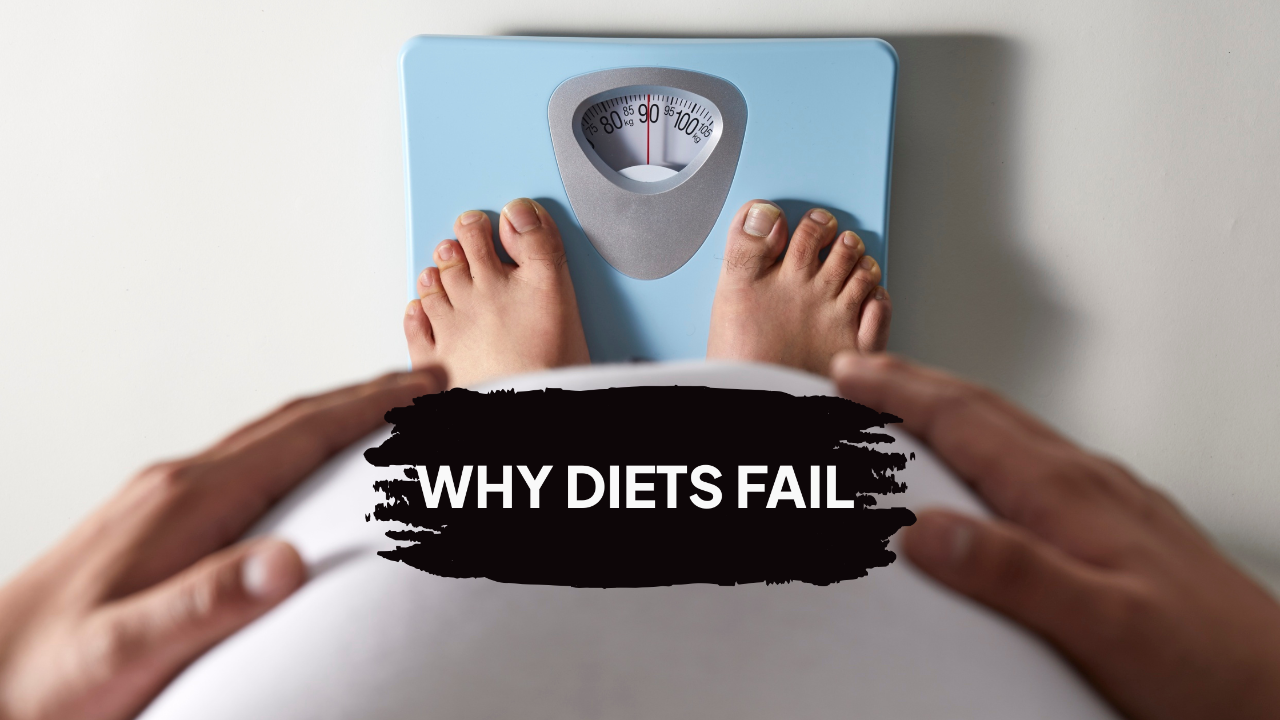
If diets worked, you wouldn’t need another one.
I know this personally.
There was a time when I had tried every diet I could find. And they worked… for a while.
I would lose the weight.
Feel hopeful.
Feel in control.
And then life would happen.
The weight would come back — usually with an extra 10 pounds or so.
When I hit my heaviest, I was frustrated and discouraged. I thought the problem was me.
Why couldn’t I just stick with it?
Why didn’t I have enough discipline?
What I didn’t realize then is something I now teach every day:
The problem wasn’t my willpower.
The problem was that I was trying to change my behavior without changing the system driving it.
The Turning Point
Everything changed when I stopped focusing only on dieting and started doing the emotional work alongside learning how to fuel my body in a healthy, sustainable way.
I began to look at:
-
My stress levels
-
My emotional patterns
-
How I was using food to cope
-
The way I talked to myself
-
The beliefs I held about my body
Instead of fighting my body, I started learning how to support it.
Over time, something powerful happened.
I lost over 60 pounds.
And more importantly — I’ve kept it off.
Not because I found the perfect diet.
But because I learned to love myself to health.
Why Diets Fail Long Term
Research shows that 80–95% of diets fail within a few years.
Not because people are lazy.
Not because they don’t know what to eat.
Because diets focus only on food and behavior — and ignore the real drivers:
-
Stress
-
Emotional regulation
-
Nervous system health
-
Identity
Your Nervous System Matters More Than You Think
When your body is under chronic stress, it releases cortisol, which:
-
Increases cravings
-
Promotes fat storage
-
Slows metabolism
-
Disrupts hunger hormones
This is why you can be “doing everything right” and still feel stuck.
Your body isn’t broken.
It’s protecting you.
Lasting health begins when the body feels safe, not controlled.
Emotional Eating Isn’t a Failure
Here’s the truth:
Emotional eating isn’t the problem. It’s the coping strategy.
Food temporarily:
-
Reduces stress
-
Increases feel-good chemicals
-
Calms the nervous system
If emotional stress stays high, the behavior will always come back — no matter how strong the diet plan is.
Real change comes from building emotional capacity, not just food rules.
You Can't Heal What You Hate
For years, I thought being hard on myself would motivate change.
It didn’t.
Body shame increases stress, emotional eating, and burnout.
What finally created lasting change was learning to treat my body with respect and compassion.
Because:
Consistency grows from care — not criticism.
The TDAH! Science of Change
At TDAH!, we focus on the four systems that create lasting health:
-
Nervous System – Reducing chronic stress
-
Emotional System – Learning new ways to cope
-
Thought & Identity System – Shifting beliefs about yourself
-
Behavior System – Sustainable nutrition and habits
When the system changes, healthy choices become easier — and results last.
The Bottom Line
The problem isn’t that people don’t know what to eat.
The problem is we’ve been trying to change behavior without changing the system.
I didn’t change my life by finding a better diet.
I changed my life by learning to work with my body, my emotions, and my mind.
I didn’t diet my way to health.
I loved myself there.
And that’s the difference.